
 RU
RU
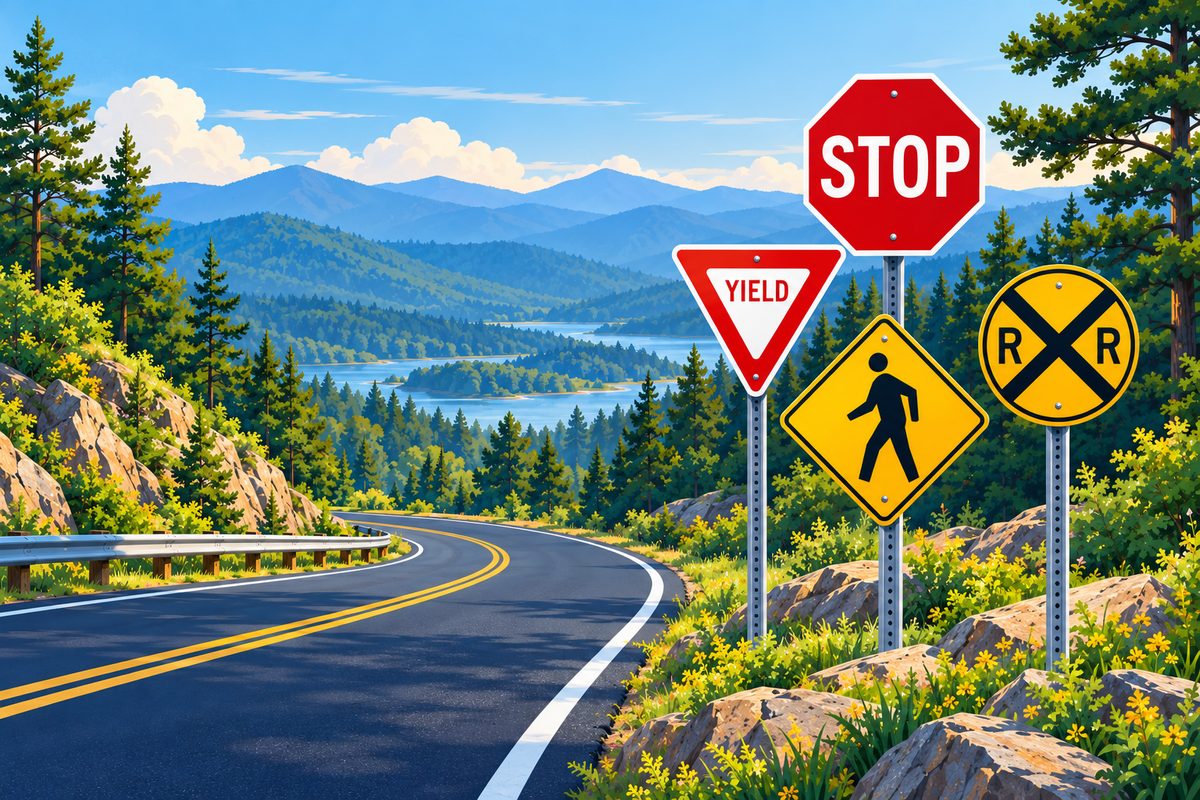
- 12 signs on the test
- 9 correct for Class C
- Identified by shape and color
US road signs fall into three big groups: regulatory, warning and guide. Each group has its own color and shape system, and on the DMV test you identify signs by color and shape, even when you cannot read the words.
Signs are governed by the federal MUTCD standard, and the main ones are the same in every state. Below you will find the list with the real sign legends, the color and shape tables and sample test questions.
Want to check your level right now? Try the free 12-sign trainer just below.
Free trainer: signs like at the DMV
On the DMV sign test the signs have no words, only a shape and a color. Our trainer shows them the same way. Tap the sign that matches each name. 12 signs, 9 to pass, no sign-up.
Full access has the complete interactive mode "Signs like at the DMV": 24 signs, a new set of 12 every round, and each shape turns into the real sign with its explanation. See what is included.
How the sign recognition test works
On the sign test the DMV shows 12 signs without words: only the shape and the color. You must identify 9. That is the rule for a regular Class C license. The NCDMV explains that applicants identify signs by their color and shape and say what each one means. For commercial licenses (Class A and B) you must identify all of them.
A family member took the test at a DMV office in Charlotte in 2026, and the signs were shown without words. Our trainer above shows signs the same way, without words. Reading the legend is not enough: you have to recognize the shape.
The most important signs, by category
Each card shows the sign, the legend you read on the road and what it means. When a sign has no text, the card says "(no text)".
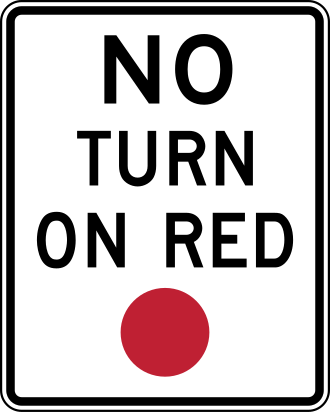
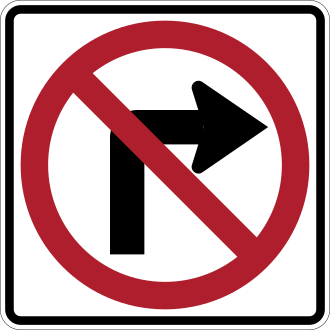
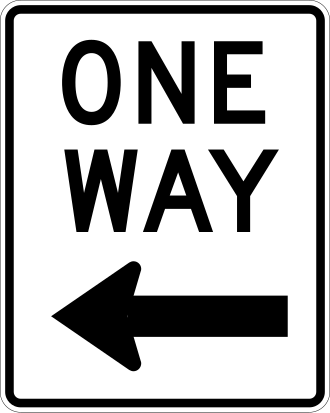
Category 1: Regulatory signs
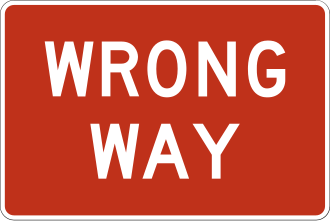
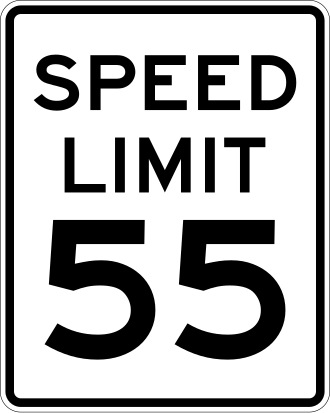
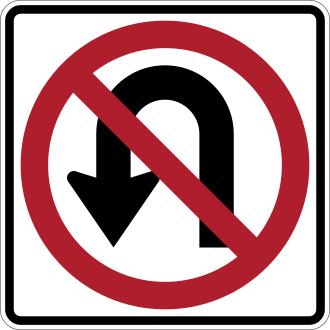
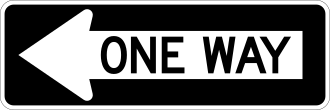
Ignoring them means a ticket or a crash. The color is red or white and the shape is often one of a kind.
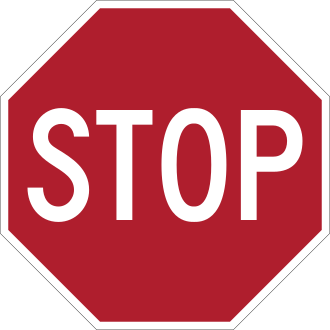
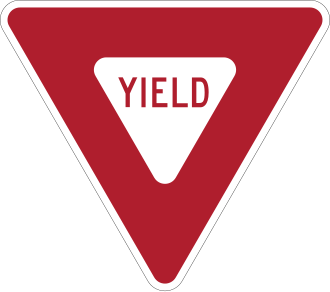
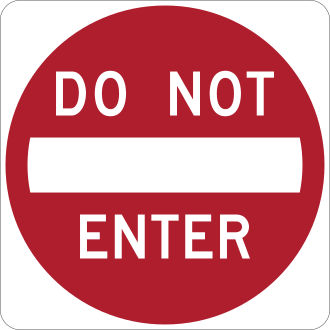
Getting ready for the NC DMV test? Practice with the free 25-question test, or with the full set of 400 questions with explanations.
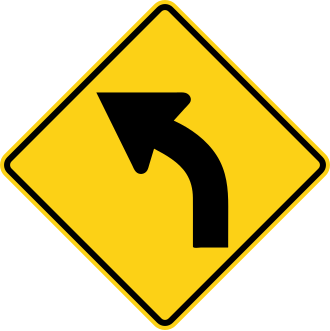
Category 2: Warning signs
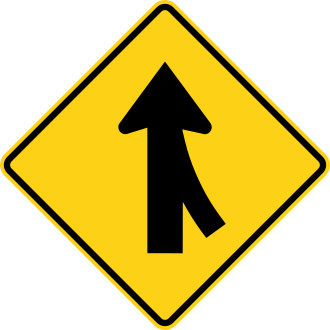
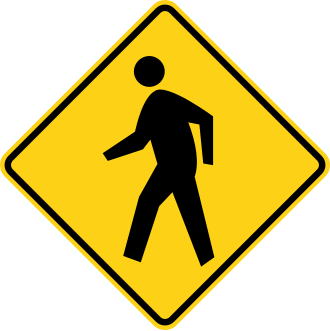
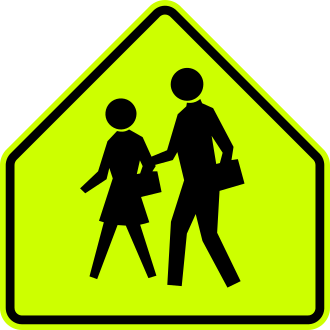
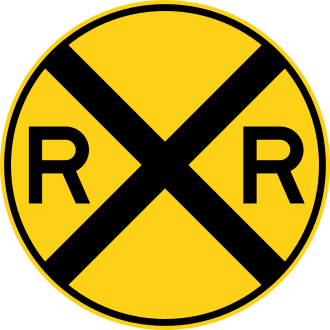
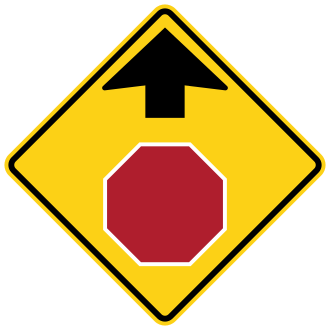
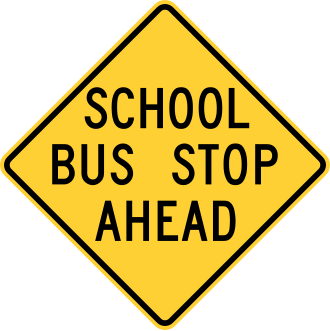
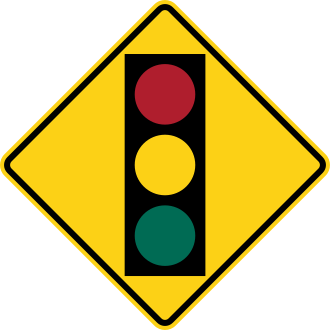
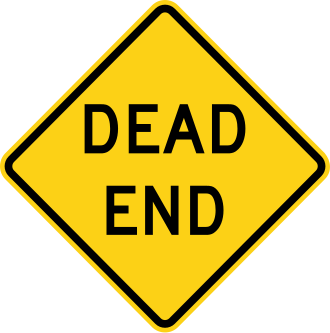
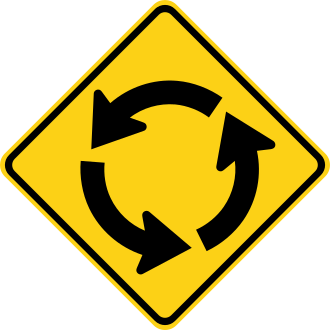
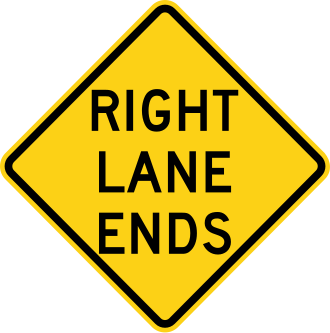
The main shape is the yellow diamond (or fluorescent yellow-green for pedestrians and schools). They warn of a hazard ahead.
Category 3: Temporary and work zone signs
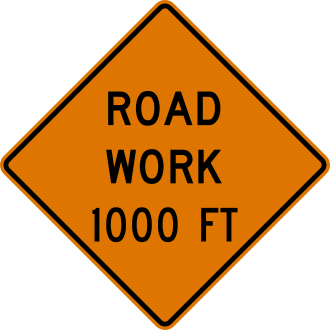
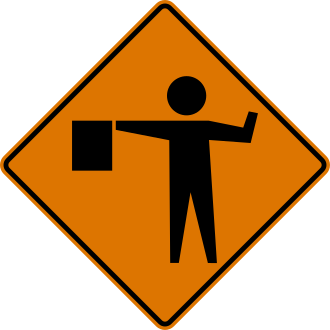
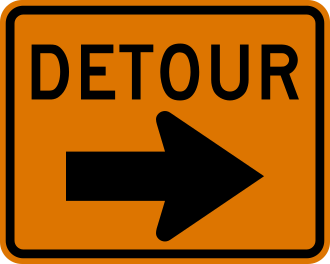
Orange marks temporary conditions in a repair zone. On the test they are often confused with the yellow warning signs: color is the easiest way to tell them apart.
Category 4: Guide signs
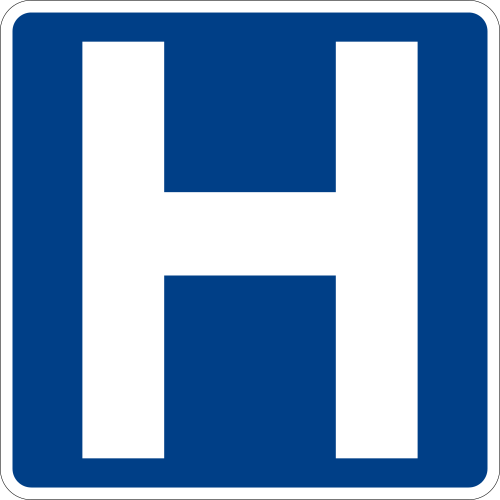
Color tells you the kind of information: green for directions, blue for services and brown for recreation.
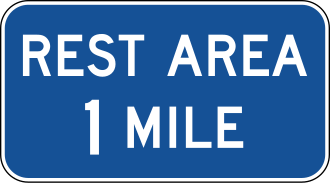
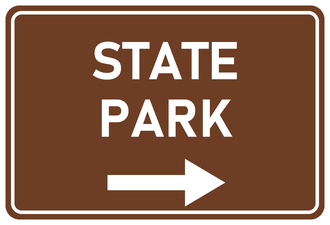
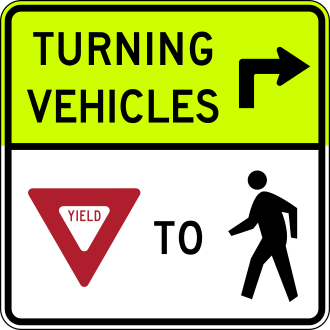
Another common sign that we do not show here: ROAD CLOSED, which means you cannot continue on that road.
Remember the general rule: in North Carolina you may turn right on red after a complete stop, unless a NO TURN ON RED sign is posted.
How the test asks about signs
On the test the sign is shown without a legend, just the shape and the color. Here are sample questions of that type, with the answer:
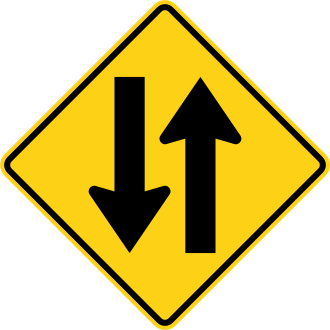
Question: What does a yellow diamond with two arrows, one pointing up and one pointing down, mean?
Answer: Two-way traffic ahead: the divided road ends. Be ready for oncoming traffic.
Question: You see an eight-sided sign from behind at an intersection. Which sign is it?
Answer: STOP. It is the only octagon, so you can recognize it from any side.
Question: What do red signs on the road mean?
Answer: A prohibition or a required stop: STOP, YIELD, DO NOT ENTER, WRONG WAY. Red means "you may not" or "you must stop".
Question: What does a diamond-shaped sign usually mean?
Answer: A warning of a hazard ahead: a curve, an intersection, a crossing. It is usually yellow and, in a work zone, orange.
Question: Which shape is used ONLY for the STOP sign?
Answer: The octagon. No other sign has that shape, and STOP can be recognized even from behind.
Question: Which color means recreation and cultural sites (parks, museums)?
Answer: Brown. Green is for directions, blue for services, orange for road work and brown for parks and attractions.
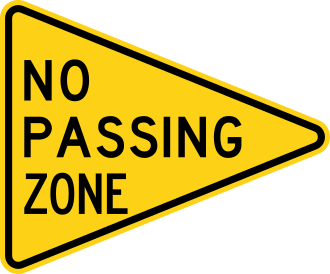
Question: A yellow pennant (a triangle lying on its side) on the left side of the road. What is it?
Answer: The start of a no passing zone (NO PASSING ZONE). It is the only sign with that shape and it goes on the left side of the road.
Our set of 400 questions with explanations includes sign questions with pictures, and the silhouette trainer shows only the shape, with no text. To start, take the free 25-question test.
This is only part of it
The official NC Driver Handbook is an NCDOT document and it is free: we link it on the handbook page. To practice, you have the free test and the 400 questions with explanations.
How to prepare for the sign test
The main thing is not to memorize pictures but the logic of color plus shape. The test asks you to answer in seconds, and that logic helps with the hard ones.
US road sign colors
| Color | Meaning | Examples |
|---|---|---|
| Red |
Stop or prohibition | STOP, YIELD, DO NOT ENTER, WRONG WAY |
| White |
Rules of the road (regulatory): speed, turns, parking | SPEED LIMIT, ONE WAY, NO TURN ON RED |
| Yellow |
Warning of a permanent condition | Curve, merge, two-way traffic, railroad crossing |
| Orange |
Temporary conditions: road work and detours (in North Carolina, speeding in a work zone with penalty signs adds a $250 fine) | ROAD WORK, DETOUR, FLAGGER |
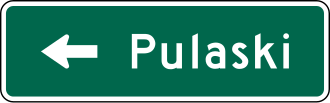 Green Green |
Directions, distances and destinations | EXIT signs, city and mileage signs |
| Blue |
Services for drivers | Gas, Food, Lodging, Hospital, Rest Area |
| Brown |
Parks and recreational or cultural sites | State Park, Recreation Area |
| Fluorescent yellow-green |
Schools, pedestrians and bicycles: zones that need extra attention | School Zone, pedestrian crossing signs |
US road sign shapes
| Shape | Meaning | Test tip |
|---|---|---|
| Octagon |
STOP only | The only octagon in the US: you can tell it by shape, even from behind. |
| Triangle pointing down |
YIELD only | Give way. You do not always have to stop, if the way is clear. |
| Diamond |
Warning | Any hazard ahead: a curve, a merge, a crossing. |
| Pennant |
NO PASSING ZONE: a zone where you may not pass begins | It is the only sign that goes on the left side of the road. |
| Pentagon |
School zone or school crossing only | The point is up and the color is fluorescent yellow-green. |
| Circle |
Railroad crossing ahead (RR plus an X) | It warns you in advance; the crossbuck stands at the tracks. |
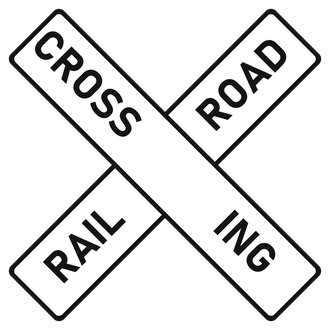 Crossbuck (two boards in an X) Crossbuck (two boards in an X) |
Right at the railroad crossing | It works like a YIELD sign: you must give way to the train. |
| Vertical rectangle |
Regulatory: a rule of the road | SPEED LIMIT, parking, lanes. |
| Horizontal rectangle |
Guide: information and directions | City signs, exits and distances. |
If you know the color and the shape, you can work out the meaning of most signs even without reading the text. That is what the NCDMV asks for on the sign test.
A special rule: school buses (it comes up often)
School zone and school bus signs connect to one of the strictest rules in North Carolina. On a two-lane road, when a school bus stops with its red lights flashing and its stop arm out, traffic in both directions must stop, including oncoming traffic. On a road divided by a median, only traffic going in the same direction as the bus must stop.
Under G.S. 20-217 it is a misdemeanor with a minimum $500 fine, and it adds 5 DMV points. More in the most common DMV test mistakes and in driver license points.
Frequently asked questions
How many signs are on the NC DMV sign test?
For a regular Class C license, the state rule asks you to identify 9 of 12 signs, so you can miss 3. The sign test is separate from the 25-question knowledge test. For commercial licenses (Class A and B) you must identify all of them.
Do the signs on the test have words on them?
No. On the sign test the DMV shows 12 signs without words: only the shape and the color. You must identify 9. The NCDMV says applicants identify signs by color and shape and explain what each one means. Our trainer shows signs the same way, without words.
How do I pass the NC road sign test?
Learn the logic of shape plus color. An octagon is always STOP, a downward triangle is always YIELD, a yellow diamond is a warning, orange means a work zone, and so on. Then practice naming signs from the silhouette alone. The tables on this page and the free trainer above are built for that.
What happens if I fail the sign test?
The NCDMV says applicants who do not pass may retake the test in seven calendar days. Offices commonly allow up to 3 attempts within 90 days of your application. Confirm the details at your office, because practice can vary. If you do not pass in three tries, or 90 days go by, the application closes and you start over.
What if I can only see the shape and the color?
That is how the sign test works: the DMV shows the signs without words, only the shape and the color. A family member who took the test at a Charlotte office in 2026 saw them that way. So know the rule "color plus shape equals meaning" by heart.
What shape is a stop sign?
A red octagon with the white word STOP. It is the only sign with eight sides, so you can recognize it even when you cannot read it.
Do road signs change from state to state?
The main signs are the same across the country because they follow the federal MUTCD (Manual on Uniform Traffic Control Devices). The differences are in a few rare local signs. What does change is each state's DMV test.
How many road signs are there in the US?
There is no exact number: the federal MUTCD describes a very large set of signs and changes with each edition. The DMV test covers a basic set of the most common ones, and those are the ones collected on this page.
What should I look at first if I am not sure?
The shape first, then the color. Those two clues give the fastest answer. Read the text last, especially when time is short.
Driver-Prep is an independent project. It is not affiliated with the NCDMV or the NCDOT.